CxC Workshop Series 2026
Charleston, Toronto, New Orleans
Case Study
In Person Event

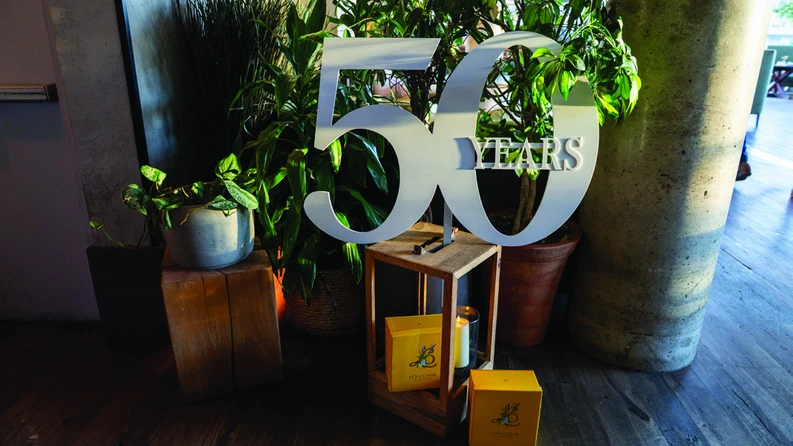
L’Occitane en Provence is a global luxury beauty and skincare brand with a retail footprint spanning more than 90 countries. Known for its commitment to natural ingredients and sensory experience, L’Occitane operates a network of retail boutiques across North America staffed by teams who are as much brand ambassadors as they are sales professionals. The CxC program is an internal initiative designed to raise the in-store guest experience by bringing regional retail teams together for structured business alignment, hands-on training, leadership development, and collaborative learning, all in person.
THE ASK
L’Occitane needed to deliver the same CxC workshop program across three North American cities in October 2026: Charleston, South Carolina; Toronto, Canada; and New Orleans, Louisiana. The goal was to bring regional retail teams together for a consistent program experience (business alignment, practical skill-building, and stronger team connections) while reaching 183 participants across three distinct markets.
The challenge was not the content, which L’Occitane owned and controlled. The challenge was execution: delivering one program three times, across three different cities, venues, supplier networks, and logistical realities, without letting any of those variables show up in the room.

THE ANSWER
VIBE coordinated the full operational delivery of the CxC program across all three destinations, adapting local logistics at each stop without touching the core program design. In Charleston (73 participants), Toronto (50), and New Orleans (60), VIBE handled venue and hotel coordination, meeting-room configuration, catering, audiovisual setup, and on-site staffing from start to finish.
The program itself combined plenary business sessions with breakout workshops, collaborative working groups, and team-building activities, all sequenced to move participants from business content into hands-on learning and informal connection. VIBE managed the event flow and schedule at each location, coordinated local supplier relationships, and ensured that the room, the catering, and the logistics served the agenda rather than competing with it.
Group dining and reception moments were built into each edition to give attendees time to connect outside the formal sessions. In three different cities with three different local vendors, the guest experience held consistent across every touchpoint.
THE VIBE

The hardest thing about a multi-city program is the thing attendees should never notice: that it is a multi-city program. Each group of L’Occitane retail leaders arrived at their respective venue expecting a focused, well-run event that respected their time and delivered on its agenda. VIBE’s job was to make that true in Charleston, then again in Toronto, then again in New Orleans, with different venues, different local vendors, and different operational variables each time.
What held constant was the experience in the room. Consistent setup, consistent pacing, consistent hospitality. The 183 participants across the three cities got the same CxC, which is exactly what L’Occitane set out to deliver.
KEY TAKEAWAYS
- Replicating a program across multiple cities requires a production framework that is standardized enough to ensure consistency and flexible enough to absorb local variables. The framework is the product; the venues and vendors are just inputs.
- For retail teams, the informal moments (group dinners, reception time, breaks between sessions) are as strategically important as the agenda itself. Relationship-building across regional teams happens in the margins, and those margins deserve the same attention as the plenary sessions.
- Multi-city programs with identical content put the operational burden entirely on the event team. When the program is fixed, execution is the only variable, and execution either reinforces or undermines everything the client is trying to say about their culture.
- Local supplier coordination is the hidden complexity in any multi-destination program. Having one point of contact managing vendor relationships across all three cities eliminated the gaps and miscommunications that typically arise when each location operates independently.
- Workshop-based programs for retail teams work best when the room setup and flow actively support peer interaction. Configuration, catering timing, and break structure all influence whether participants leave with new relationships or just new information.

