How to design corporate events that change something, not just execute flawlessly.
Before we start, the one belief this whole guide is built on, I say this to every client, every time:
An event isn’t worth what it costs. It’s worth what it changed.
Voila. That’s it. That’s the foundation of the 360+1 Method, the framework we at VIBE have used for fifteen years now, producing for houses like Dior, Van Cleef & Arpels, TAG Heuer. Big names, yes, but the belief is the same for a sales meeting of forty people in Ohio.
Flawless execution is the floor, not the finish line
We built this agency on flawless execution, since 2004. We still deliver it, every single time, this has not changed and it will not change. But flawless execution alone is not enough. It is necessary. It was never the point.
The industry, in general, organizes itself around eliminating error. Nothing goes wrong, everybody claps, everybody goes home and forgets. Most companies design the event before they decide what should change. Venue first, date first, catering first, and the outcome, they think, will happen on its own if the logistics are clean. In our reviews, across summits, sales meetings, incentive programs, always the same pattern: what should change gets decided last, if it gets decided at all.
At VIBE we say it this way, and I tell this to every new client on the first call: most agencies think about the event. We think about the experience. The event is what is on the schedule. The experience is what happens inside the person, in the room. Two different problems, completely. Solve only the first and you get something very nice. And very forgettable.
The difference, it shows Monday morning. An event that went well, nothing went wrong. An event that worked, somebody is behaving differently.
“Nice is the trap. Nice, nobody remembers on a Tuesday.”
Valérie Bihet
What the 360+1 Method gives you
360+1, this is how we build every event at VIBE. The 360 is complete ownership, every element you can design: venue, production, logistics, run of show, no gaps, not one detail dropped. The +1, this is the part most agencies forget completely: the emotional layer, the feeling we design on purpose, so flawless execution becomes something people actually feel, remember, and act on. This is not corporate event planning like everybody does it. This is corporate event strategy, and yes, there is a difference, a big one. Five principles, and they carry the method start to finish.
- Design the Change First. Decide what should be different before you book one single thing.
- The Feeling-First Brief. One question, and it reorganizes everything after it.
- The Three Jobs of a Sales Meeting. Information, belief, connection. On purpose, not by accident.
- The Pre-Committed Return. Why the ROI, we decide it before the event. Never after.
- The +1. The emotional element, added on purpose, that turns the event into the experience people remember.
Principle One
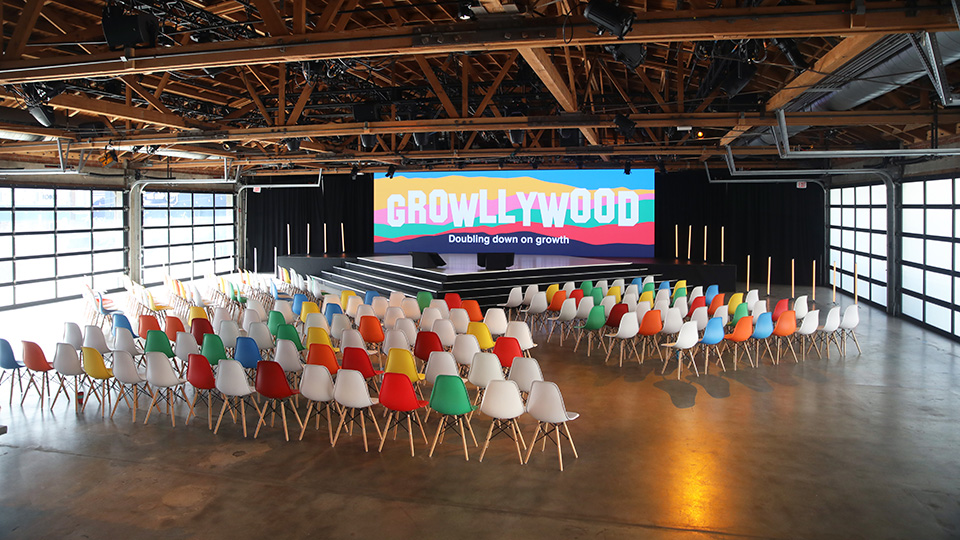
Design the change first
Before anyone books a venue, before anything, your team must finish one sentence: “When people walk out of this room, we want them to believe, feel, or do ______.” That sentence, this is the brief. Everything else, venue, catering, run of show, is logistics in service of it. Nothing more.
Three ways this fails, and I have seen all three, many times. Events built like a broadcast: somebody puts a message on a stage, points it at a room, and believes that because it was said, it was received. But adults, they don’t change because you told them something. They change because they felt something, and then did something while the feeling was still alive.
Second way: the change is never designed into the room at all. Connection, alignment, belief, left to chance, hoped for in the hallway during coffee break. Sometimes it happens, bien sur. But hoping is not a strategy, and the moments that matter most are too important to leave to luck.
Third way, there is no bridge to after. The event ends, everyone flies home, and by Wednesday, the energy, it is gone. Real change needs three things together: an emotional moment, a behavior tied to that moment, and a structure to carry it past the closing remarks.
This, for me, is strategic event planning. Not the venue first. The change first.
Principle Two
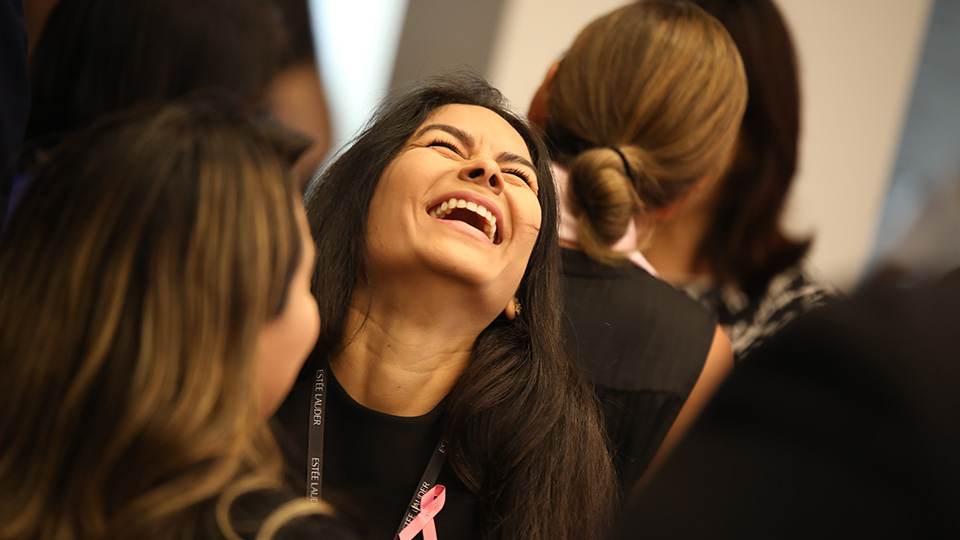
The Feeling-First Brief
Not what they will see. Not what they will do. What they will feel. Before one vendor, before the agenda, before the venue even, we ask one question at VIBE: what do you want people to feel when they leave?
The feeling, this is what stays. Three weeks later, nobody remembers the seating chart, or the menu, franchement. They remember if they felt valued, energized, included, inspired, or if they felt processed, like a number on a list.
Once you know the feeling you are designing for, every decision after, it passes through that filter. Does this venue give that feeling? Does this opening moment? This transition? Most planning starts with logistics because logistics feels safe, concrete, something you put on a spreadsheet. But logistics are tools only. They serve the feeling, or they serve nothing at all.
The best clients, the ones who get the most from working with an agency, they don’t hand you a task list. They hand you a problem: “Our top 200 leaders, they are misaligned after the reorg. We need them to leave believing in one strategy, and trusting each other again.” Now, this, I can design against. “A two-day conference for 400 people, make it nice.” This is not a brief. This is a hope.
And the best clients, they tell you the truth also, about the politics, who is skeptical, what the CEO is worried about, what went wrong last year. The average client hides this, they think it makes them look, how do you say, disorganized. But the more an agency knows about the real human situation, the better we design for it.
One more thing I tell every client: a good agency pushes back. This is the value, not insubordination. If we only execute what you say, you hired a contractor. If we can say, here is why this will not work, and here is what will, then you hired a partner.
Principle Three
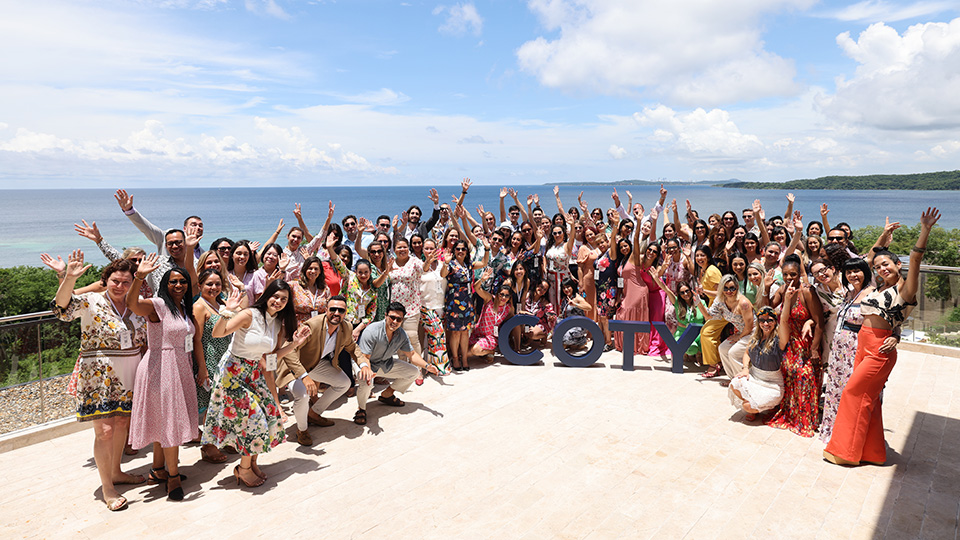
The three jobs of a sales meeting
You fly in your whole sales force, you take them off the road, you put everyone in one room. This is the most expensive hour your company buys all year, and it must do three jobs at the same time. Most companies plan for the first job, and gamble on the other two.
Job one, Information. The strategy, the numbers, the product, the plan. Everybody remembers to plan for this one, and, ironically, it is the least important, because, honestly, it could have been an email. Necessary, yes. Sufficient, never.
Job two, Belief. This resets what the team believes is possible, what they personally can sell, what kind of year this will be. This is emotional. It must be designed on purpose, not assumed to happen because the numbers were good on a slide.
Job three, Connection. The relationship between the reps, between the reps and leadership. The trust that lets a team act like a team once they are scattered again, across the whole country, the following week.
Information without belief, forgotten by the time the plane lands. Belief without connection does not survive the trip home either. You need all three. On purpose.
“I saw one of our top performers, sitting alone, at a party we built ourselves. Perfect party. Man was invisible. I never forgot this.”
Valérie Bihet
Years ago, I was walking through a resort at 9pm, during an incentive trip that VIBE had executed, truly, flawlessly. And I see one of the company’s top performers, sitting completely alone. Disconnected, from a room full of people who were supposed to be his peers.
Every logistic, perfect. And the thing that mattered most, it was failing, right in front of me. We had designed the schedule beautifully, and left the connection to chance, like everyone else does.
From that night, VIBE changed how we work. Now we design connection into the programming, we do not hope it happens in the hallway. The most important session, it is rarely on the agenda. But at a VIBE event, it is still designed. It just does not look like a session.

Principle Four
The pre-committed return
Clients ask me this constantly: how do you measure event success, how do you measure event ROI. Event ROI, it is not impossible to measure because events are fuzzy, complicated, emotional. It is impossible because nobody defined the return, before. Companies, they try to measure ROI after the event is finished. But the only way to measure it, is to decide what it means, beforehand.
Decide, up front: success is a defined lift in pipeline, from the reps who attended, over the following quarter. Or a measurable jump in leadership alignment scores. Or a specific change in how the product gets sold. Now, you have something you can track. The event becomes an investment, with a thesis behind it.
But if you only ask ‘was it worth it’ after, all you have left is survey scores. And of course, this feels impossible to measure.
The other thing, the most valuable returns, they are lagging, and human. Trust, belief, loyalty, retention. These are real, mais oui, but they show up in quarter two, not on the post-event survey. So you instrument for them, on purpose, from the beginning.
Follow-up, it must be designed in, never bolted on after. Most follow-up plans fail before they even start, because they get designed after the event, not into it. By the time marketing scrambles to attach something, everybody is already home, and the energy, it has evaporated. You are trying to relight a fire you let go out yourself.
The events that continue past the closing remarks, these are the ones where the after was built during the planning. You design the moment people will want to act on. You capture the commitment while the feeling is still alive, in the room. And you put a structure in place that catches the energy, before it disappears. Follow-up is not a sequence of emails. It is a bridge, and you build it before anyone crosses it.
- The one behavior you expect to see different, Monday morning
- The specific metric that would prove it: pipeline, alignment score, adoption
- The follow-up structure that carries the feeling past the closing remarks
Principle Five
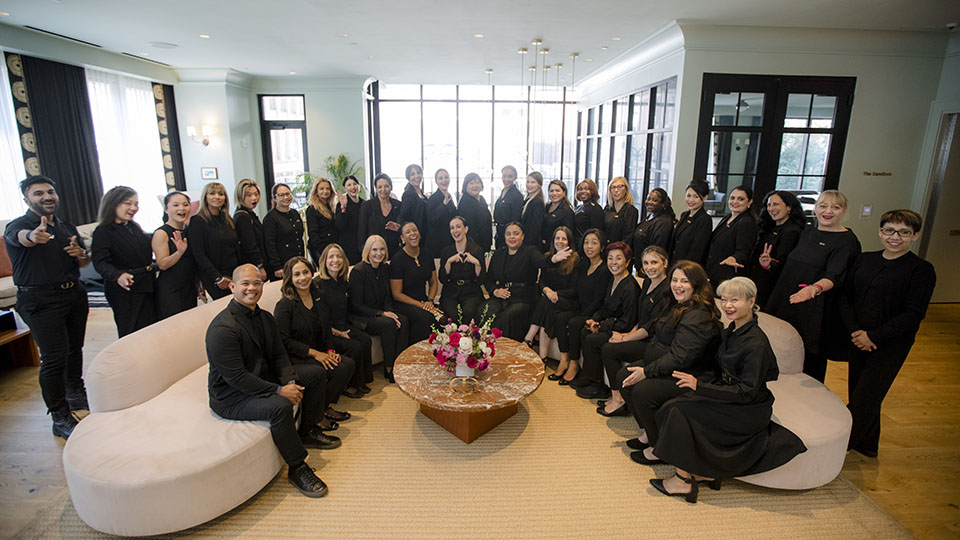
The +1
Every detail matters. And then, you add one more, on purpose. This is the +1. This is the emotional element that takes the 360, all that flawless operational work, and turns it into something people actually remember. This is the moment the event becomes an experience.
People do not talk, on Monday, about events that were nice. Nice, it fades by Saturday already. They talk about the thing they felt and did not expect, the thing they cannot quite explain, the moment the room went quiet, in the best way, because something went so right that people stopped talking, and simply felt it.
That feeling, it never happens by accident. It happens because somebody decided every single detail matters, and then designed one more, on top, for the emotion alone. The handwritten note in the room. The cocktail hour, extended at exactly the right moment, because the team read the energy correctly. The surprise that was only possible because the people running the event were present enough, and empowered enough, to create it live, for the people in that room.
Producing for houses like Dior, Van Cleef & Arpels, TAG Heuer, this taught me something no course ever could, about this exact thing. At that level, the brand, it lives or dies in the details no guest is ever supposed to notice, consciously. The weight of the invitation card. The exact temperature in the room. The precise second the music changes. None of this is decoration. This is the emotional element, working quietly. This is the brand, speaking, in a language below words.
They recalibrated, completely, my definition of done. For these houses, there is no acceptable gap, none, between what the brand promises and what the guest actually feels. The container must match the content, perfectly, every time. Once you have produced at this level, you cannot accept fine again. Ever.
Fine, it is invisible.
So the +1, it requires two things, at the same time: obsessive control over everything that can be designed, the 360, and enough emotional presence, enough humanity, to add the one element that turns all that control into a feeling people carry home. You earn the right to that feeling by getting everything else exactly right, first. This is the whole difference between an event and an experience.
The standard
Fine is invisible. Design for the moment they remember.
Five principles, and one belief underneath all of them: an event is not worth what it cost. It is worth what it changed.
Design the change first. Ask the feeling question, before the logistics. Give the sales meeting all three of its jobs. Decide the return before the event, never after. And when everything that can be designed is exactly right, add the one more thing, nobody expected.
Do this, and you stop paying for expensive memories. You start producing results. The kind people are still talking about, Monday morning. The kind that shows up in quarter two.
Alors. Let’s design the change, before the logistics.
If you have a high-stakes event on your calendar, a leadership summit, a national sales meeting, a moment your company cannot afford to get wrong, spend thirty minutes with me. Thirty minutes, on the one shift that would make it memorable. Not merely correct.
Frequently Asked Questions
What is the 360+1 Method?
The 360+1 Method is The VIBE Agency's framework for designing corporate events around outcomes rather than logistics. The '360' represents complete control over every designable element; the '+1' represents the unplanned moment that only becomes possible once everything else is exactly right. It comprises five principles: Design the Change First, the Feeling-First Brief, the Three Jobs of a Sales Meeting, the Pre-Committed Return, and the +1.
What is the difference between an event and an experience?
According to The VIBE Agency, the event is what appears on the schedule. The experience is what happens in the nervous system of every person in the room. An event that went well is one where nothing went wrong. An event that worked is one where behavior changed. They are separate design problems, and solving only the first produces something forgettable.
Why do most corporate events fail to change behavior?
The VIBE Agency identifies three compounding failure modes. First, events are built as broadcasts, assuming that because a message was said, it was received. Second, the change is never designed into the room, so connection and belief are left to chance. Third, there is no bridge to after, so the energy evaporates within days of the closing remarks.
What is the Feeling-First Brief?
The Feeling-First Brief is The VIBE Agency's principle of asking one question before any logistical decision: what do you want people to feel when they leave? Once that answer exists, every subsequent decision, venue, opening moment, transition, has a filter. Without it, planning teams assemble logistics with no organizing principle.
What are the three jobs of a sales meeting?
In The VIBE Agency's framework, a national sales meeting must accomplish three things simultaneously: Information (the strategy, numbers, and plan), Belief (resetting what the team thinks is possible), and Connection (the trust between reps and leadership that survives the flight home). Information without belief is forgotten; belief without connection does not survive the trip home.
How do you measure the ROI of a corporate event?
The VIBE Agency's position is that event ROI is difficult not because events are fuzzy, but because nobody defined the return in advance. Under the Pre-Committed Return principle, a company decides before the event what success means: a specific pipeline lift from attending reps, a measurable jump in leadership alignment scores, or a defined change in sales behavior. The most valuable returns, trust, belief, retention, are lagging and human, surfacing in the following quarter rather than the post-event survey.
Should event follow-up be planned before or after the event?
Before, always. The VIBE Agency's view is that most follow-up strategies fail because they are designed after the event rather than into it. By the time a marketing team attaches a follow-up sequence, attendees are home and the energy has dissipated. Follow-up is not a sequence of emails; it is a bridge built before anyone walks across it.
What is the +1 in the 360+1 Method?
The +1 is the unplanned moment that nobody expects and everybody remembers, the detail outside the run of show that becomes the thing people describe on Monday. It requires obsessive control over everything that can be designed, and enough presence in the room to improvise the one thing that cannot. A team earns the right to that spontaneous moment by getting everything else exactly right first.
Is flawless execution the goal of a corporate event?
No. The VIBE Agency holds that flawless execution is the floor, not the objective, and that pursuing error-elimination as the primary goal is why most corporate events change nothing. An event where nothing went wrong and nothing changed is a more expensive failure than an event with a technical glitch and a room full of people who walked out different.
What should a company define before booking a venue?
One sentence: when people walk out of this room, we want them to believe, feel, or do ______. The VIBE Agency treats that sentence as the actual brief. If a team cannot complete it in one line, it is not ready to book a venue.