It’s obvious when an off-site sales meeting is effectively preparing attendees to return to the office better prepared to close deals.
If the room is buzzing with activity, discussion, and hands-on collaboration, sales teams are more likely to retain product knowledge and feel confident applying it in customer conversations after the event. A silent session filled with associates staring at a slide show is going to be as mind-numbing as waiting for customers at an empty shoe store.
Information alone is not going to spark passion or drive results in sales. The planner’s job is to inspire attendees to adopt new approaches that better engage with customers.
Sales requires human-to-human interaction and your training meeting must reflect that.
“The most successful meetings are designed around experience,” says VIBE Founder Valerie Bihet.
Here’s how top planners can create engagement at off-site sales meetings that result in more revenue for a company.
Create Active Participation Through Small Group Workshops
The difference between a forgettable sales training and one that moves the needle is participation versus observation.
An associate or sales representative certainly needs to understand the product they are selling. But it’s more effective to teach them through hands-on, immersive experiences rather than just talking to them about a product or service.
Workshop formats and role-playing are a planner’s best friend in these environments.
That matters because employees who actively practice selling scenarios during training are more likely to communicate product value naturally once they’re back in front of customers.
The Tactic to Use
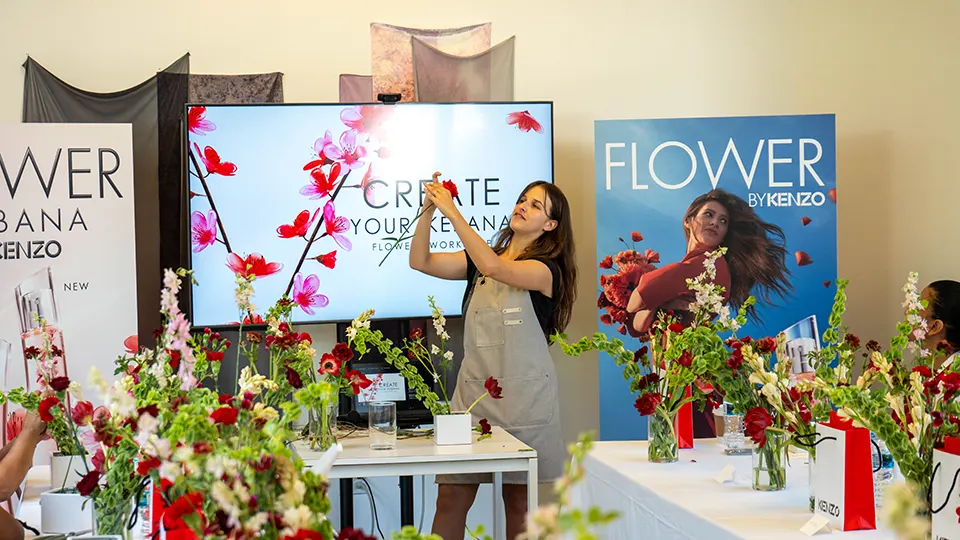
Break your meeting into small groups for problem-solving scenarios that require peer collaboration to address real customer pain points. Every team member plays a role in a brand’s success and it’s your responsibility as a planner to push them to truly participate during this activity.
By the end of the session, attendees should be able to:
- Identify customer pain points
- Recommend solutions
- Handle objections
- Clearly explain why their product helps the customer
The Tactic in Action
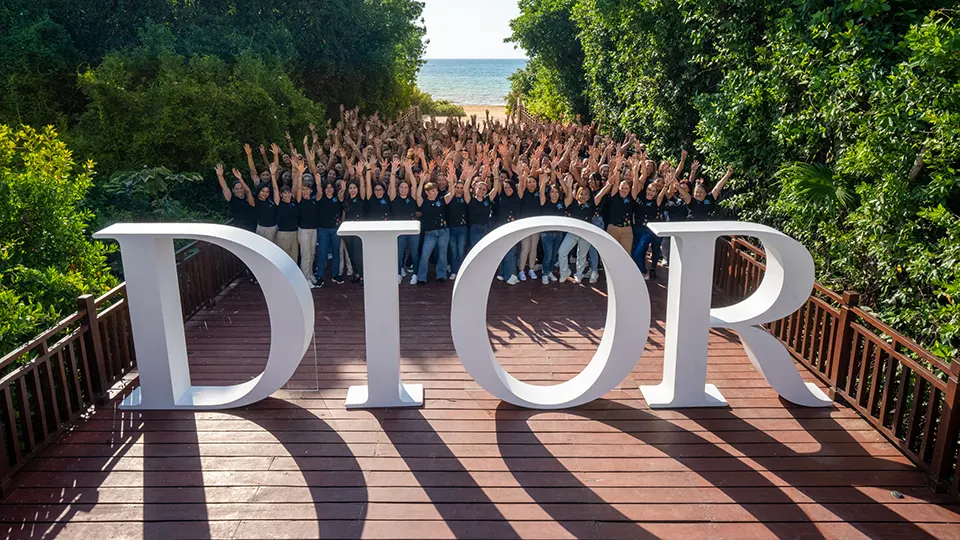
At the Axway Conference, VIBE promoted interactivity by designing immersive product challenges instead of scheduling two days of presentations. After the exercises, participants left prepared to explain customer value in real sales conversations, helping move discussions beyond product specs and toward emotional and financial outcomes.
“People remember what they do far more than what they hear,” Valerie says.
Take a Walk in the Customer’s Shoes
At a traditional conference, the attention is usually on the attendees. But with an off-site sales meeting, the end goal is stronger customer relationships and better sales outcomes for the next quarter (or three).
In order for sales team members to appreciate their clients’ point of view, they need to walk in their shoes.
The Tactic To Use
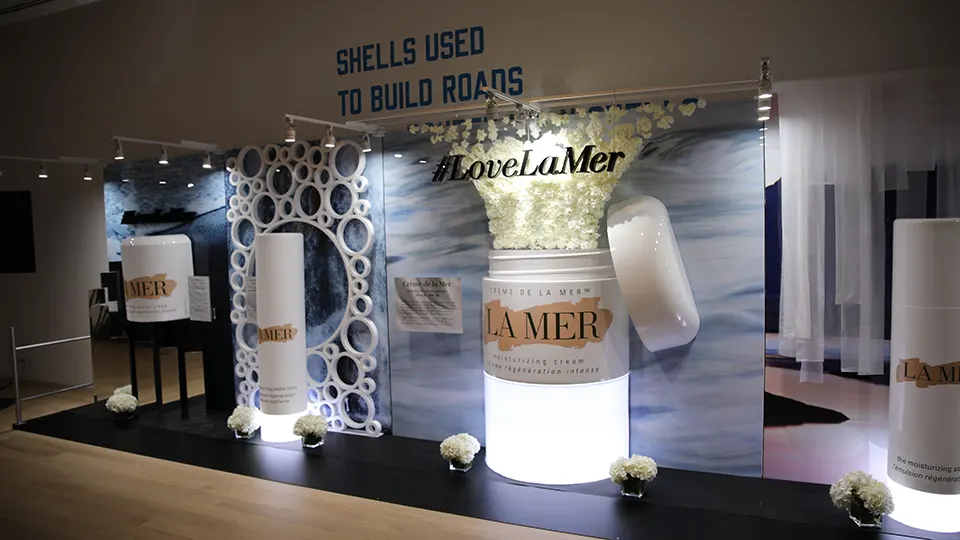
Vibe has enjoyed success designing interactive product stations for La Mer.
Attendees rotated through stations, each of which highlighted a different customer concern. Teams diagnosed needs, applied solutions, and presented recommendations to peers.
This approach helped participants learn by doing rather than memorizing scripts that a savvy customer can see through.
“Participants felt ownership over the product because they had personally worked with it,” Valerie explains.
Build an Emotional Connection Between the Brand Mission & Employees
Employees who emotionally connect with a brand are often more persuasive ambassadors for it, which is something customers quickly recognize during sales conversations.
The off-site sales meeting is an opportunity to reinforce that employees play an important role in delivering brand value. You want attendees walking away believing that the brand’s products and services you are asking them to sell really do help consumer’s day-to-day lives.
If you can create that emotional investment among company employees, they will confidently promote why your company is worthy of customers’ trust and investment.
The Tactic to Use
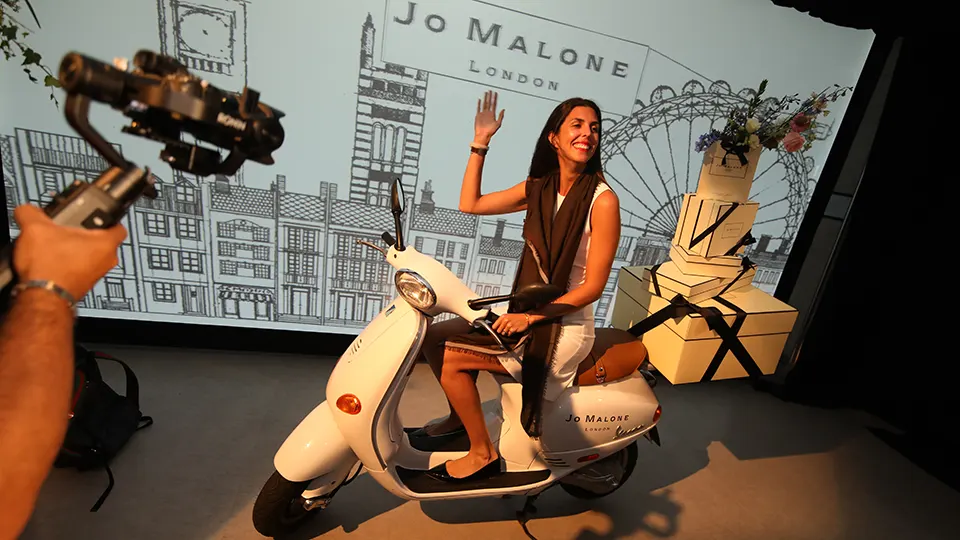
One path toward creating that needed loyalty is to build a branded learning journey. Arrival moments, breakout experiences, and activations form the basis for storytelling through design.
VIBE, for instance, transformed a suite at a NASCAR race in Charlotte into an immersive experience for a client.
By appealing to all five senses, we created an environment that couldn’t be replicated elsewhere. That type of thrill inspires team members to strive for their best.
“When people connect with an environment, they remember it,” Valerie says.
Track Your Success Post-Event
Success is never measured by the applause at the closing session. The real metric is whether employees return to work and sell differently.
The best planners track whether training translated into measurable selling behavior after the event. Key data points we recommend tracking include:
- Product adoption
- Sales confidence
- Message retention
- Sales pipeline movement
- Revenue performance
- New product adoption speed
“Evaluate performance at 30-, 60-, and 90-day intervals to understand whether the training actually changed behavior or if reinforcement is needed with your team,” says Valerie.
Associates who understand and believe in a brand’s value are more likely to communicate it with confidence and be better equipped to close sales. That journey starts at your meeting.
“When someone leaves an off-site saying, ‘I can’t wait to share this with my customer,’ learning has actually happened,” says Valerie.
Learn how we can help your sales team be better prepared to drive revenue for your company. Book an initial strategy call with Valerie today.