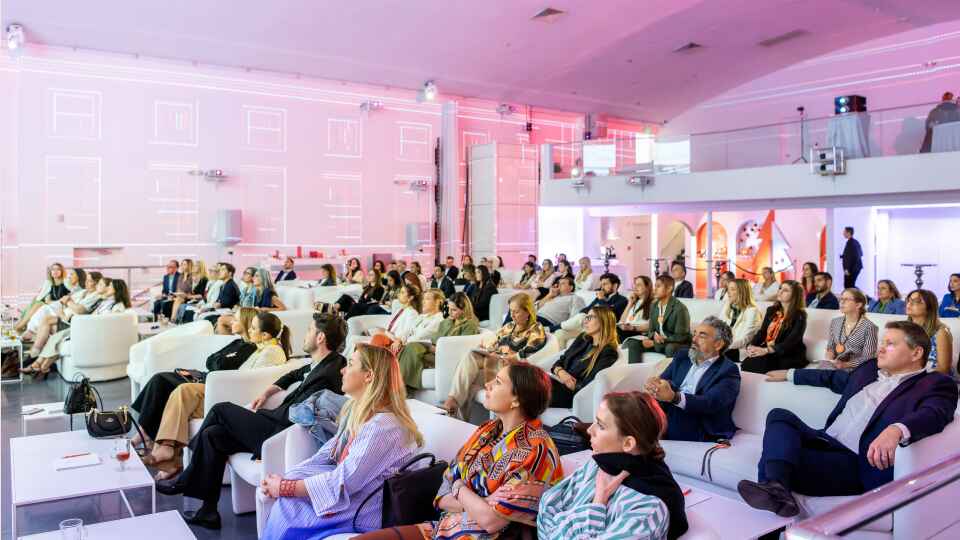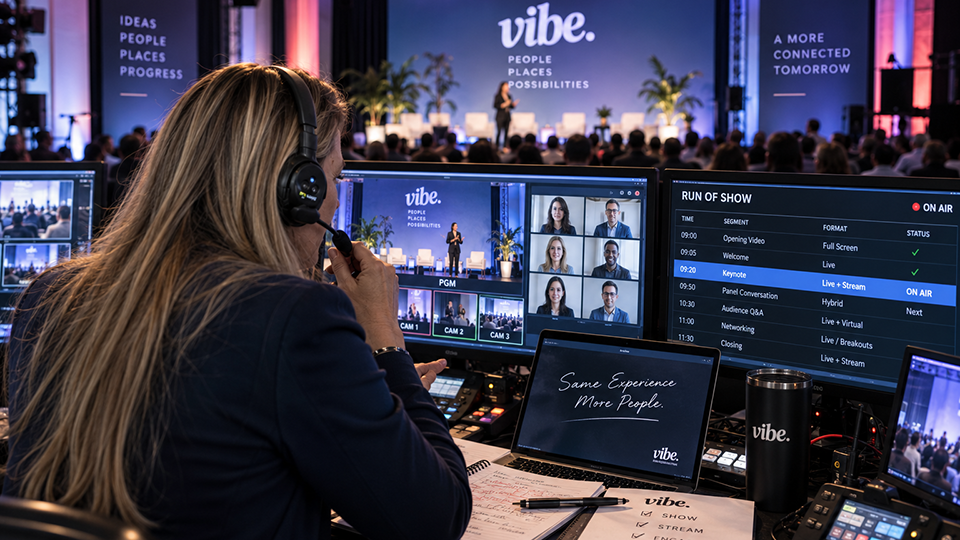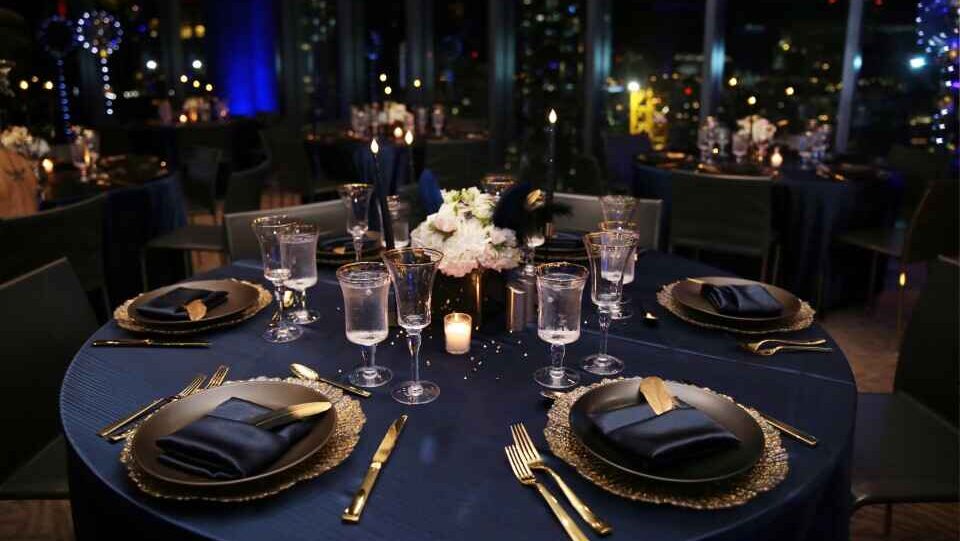
If your company is planning a year-end celebration or a January sales kickoff, the answer to “when should we start” is now, in August.
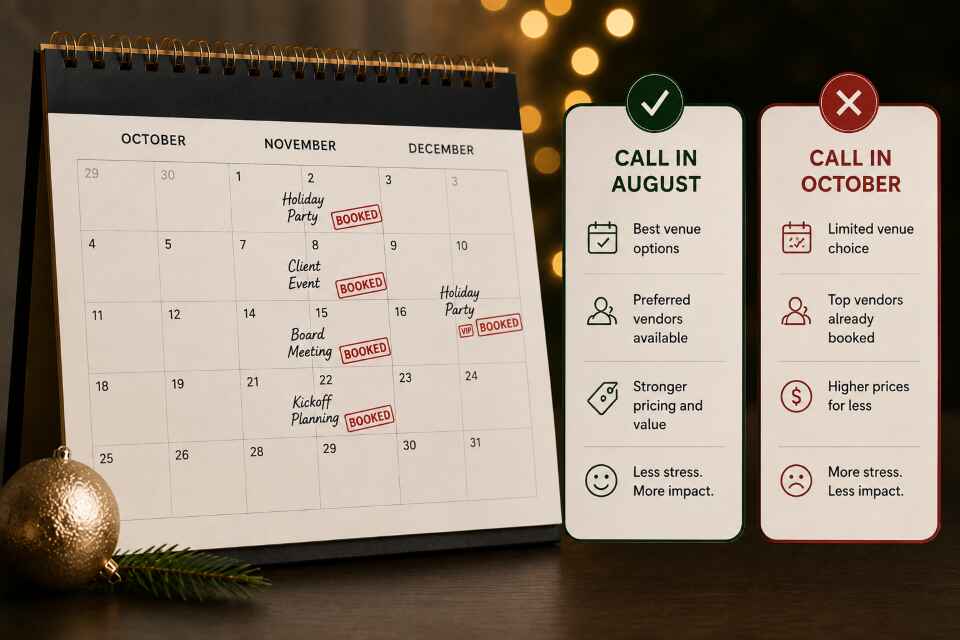
Year-end event planning runs on a longer clock than most people expect. December is the single most competitive month on the venue calendar, and popular venues during peak periods often require six to twelve months of notice. A third of event professionals say the hardest part of their job is simply finding the space and the dates they want. The teams that wait until October are not choosing their event. They are choosing from what is left.
Below is the timeline that keeps you in control.
Why timing is the whole game in Q4
Q4 compresses more demand into fewer weeks than any other season. Holiday parties, client events, board meetings, and kickoff planning all land in the same window and compete for the same rooms, caterers, and crews. The venue you want is not only competing against other companies. It is competing against its own returning clients from last year.
This is why timing, not budget, usually decides the quality of a year-end event. A generous budget in November cannot buy a room that was booked in June.
“The teams that call in August are relaxed by November. The teams that call in October are negotiating for leftovers and paying more for less. Alors, it repeats every year. The best gift you can give your year-end event is a decision in late summer.” Valerie Bihet, Founder and CEO, VIBE
We have produced year-end events for more than thirty years, and a good partner can still rescue a late request. But that is rescue, not strategy. The difference between a December event that feels effortless and one that feels rushed is almost never talent or money. It is the date on the calendar when the first decision was made.
Your year-end planning timeline, month by month
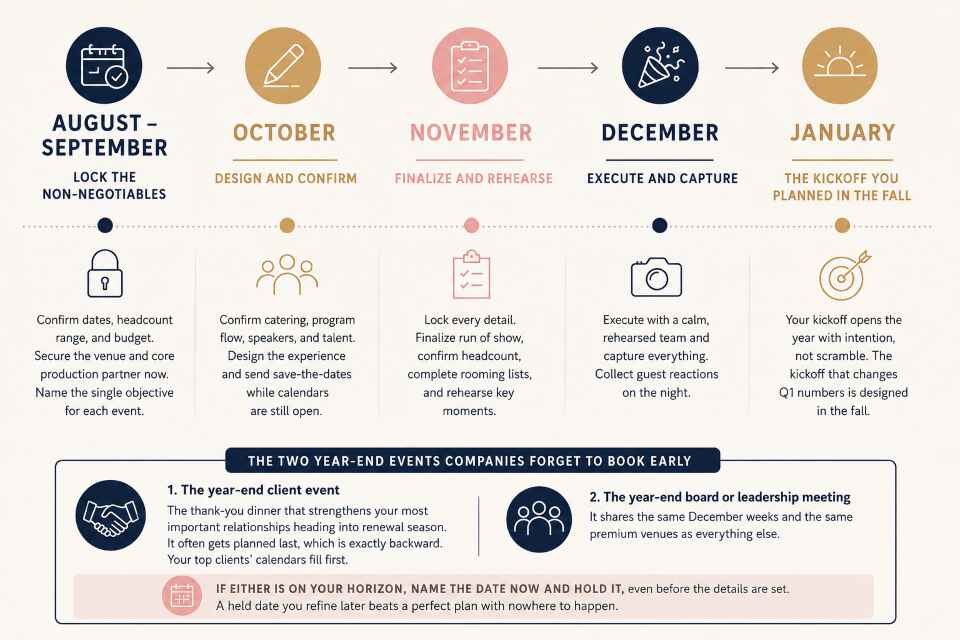
August and September: lock the non-negotiables
This window decides everything. Confirm your dates, your headcount range, and your budget envelope. Secure the venue and the core production partner now. If you are producing both a December event and a January kickoff, book them together, because they draw on the same suppliers and the same team.
Name the single objective for each event before you sign anything. A December event meant to thank clients is designed differently from one meant to energize staff, and that decision shapes everything that follows.
October: design and confirm
With the room secured, turn to the experience. Confirm catering, program flow, speakers, and talent. Design the arrival, the recognition moments, the flow of the evening. Send save-the-dates now, while your guests’ December calendars are still open. For a January kickoff, this is when the content and narrative take shape, so the event says something rather than fills a day.
November: finalize and rehearse
Lock every detail. Finalize the run of show, confirm headcount, complete rooming lists, and rehearse the moments that carry the most weight. Brief your executives on their parts. The goal is that nothing important is still open in the first week of December, when everyone’s attention fragments.
December: execute and capture
Execute with a calm, rehearsed team, and capture everything. Photography, video, and the small moments become the content that carries your brand into the new year and the proof that supports next year’s budget. Assign someone to capture guest reactions on the night, because those cannot be recreated later.
January: the kickoff you planned in the fall
Because you booked it in September, your sales kickoff opens the year with intention instead of scramble. The kickoff that changes Q1 numbers is the one designed in October, not assembled over the holidays.
The two year-end events companies forget to book early
Two moments regularly slip through the cracks and then compete for the last available dates.
The first is the year-end client event, the thank-you dinner that strengthens your most important relationships heading into renewal season. Because it is not the staff party and not the kickoff, it often gets planned last, which is exactly backward. Your top clients’ calendars fill first.
The second is the year-end board or leadership meeting, which shares the same December weeks and the same premium venues as everything else.
If either is on your horizon, name the date now and hold it, even before the details are set. A held date you refine later beats a perfect plan with nowhere to happen.
Five timing mistakes that cost you the good dates
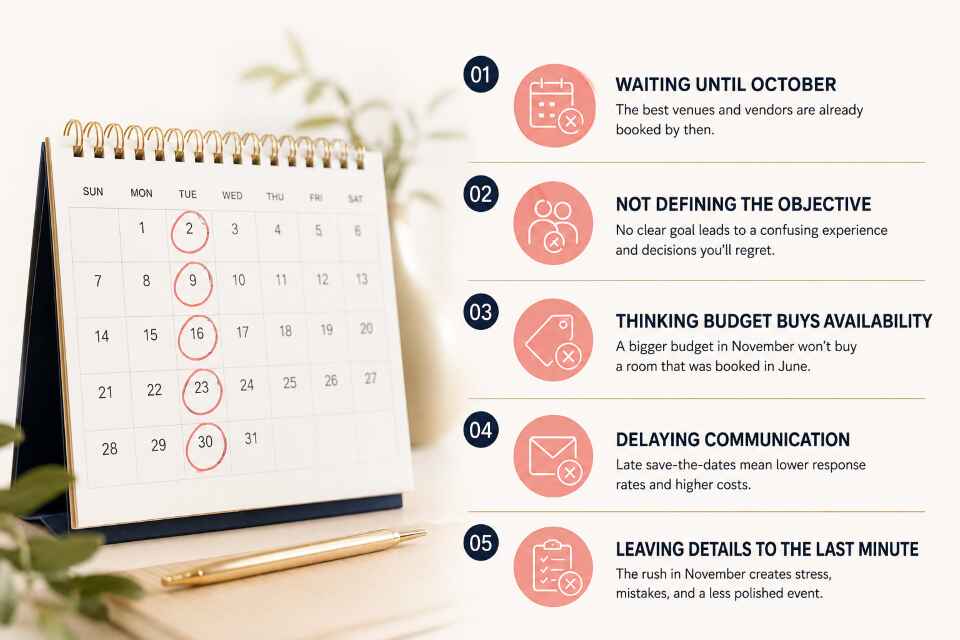
- Waiting until after the summer to start, when the strongest December venues are already committed.
- Planning the year-end party and the January kickoff separately, which doubles the supplier scramble.
- Sending invitations in November, after your guests’ calendars have filled.
- Leaving executive briefings and rehearsals to the final week, when attention is thinnest.
- Treating the event as logistics to survive rather than a moment to design, so it happens and changes nothing.
What good timing actually buys your business
Timing is not only about avoiding stress. An event booked early returns more: stronger attendance because invitations went out first, a better venue because you had the pick, and a calmer team focused on the experience instead of firefighting.
For a client event, that shows up as relationships strengthened and conversations that continue into the new year. For a staff event, it shows up as a team that feels seen heading into January. Both are measurable if you decide, early, what you want the event to change.
If your December date is still open, we can tell you this week what is realistically available and what it will take to hold it.
Where to start this week
Pick your two dates, December and January, and protect them before anything else. Name one objective for each. Then secure the venue and the partner who will carry the details, so the rest of the fall is design, not panic.
The calendar rewards the teams that move first, and in August, you are early enough to win it.
If you want your year-end and kickoff dates locked and designed while the best options are open, let us build the calendar with you.
Frequently Asked Questions
When should we start planning a year-end corporate event?
Start in August or early September. December is the most competitive month for venues, with popular spaces often requiring six to twelve months of notice during peak season. Beginning in late summer gives you the widest choice of dates, venues, and production partners.
How far in advance should we book a holiday party venue?
For December, book at least four to six months ahead, and earlier for premium venues in major markets, which can require six to twelve months during peak season. The most in-demand spaces are frequently held by returning clients a year out.
Should we plan our holiday event and January kickoff at the same time?
Yes. They fall weeks apart and draw on the same venues, suppliers, and internal team. Planning them together secures both calendars, reduces cost through shared logistics, and prevents the January event from being rushed after the holidays.
When should invitations go out for a December event?
Send save-the-dates or invitations in October, before your guests' own December calendars fill. Late invitations are one of the most common and most avoidable causes of weak attendance.
How long does it take to plan a corporate sales kickoff?
Plan for roughly three to four months. Booking the venue in September and shaping the content and narrative in October lets the January event open the year with a clear message rather than a scramble.
What is the most common year-end planning mistake?
Starting too late. Most other problems, including limited venue choice, higher costs, weak attendance, and a stressed team, trace back to a decision made in October instead of August.